
Introduction: The Green Revolution Underneath the Fabric
In the battle against extreme UV radiation and unpredictable climate change, Shade Net Making Machines have become the unsung heroes of modern agriculture and construction. However, not all shade nets are created equal. The secret to durability and performance lies not just in the polymer, but in the knitting architecture. Momo Tape, Mono Tape, One Machine: Shade Net Machine
When searching for industrial solutions, you will encounter four critical technical specifications: Flat Knitting Machine setups, Mono + Momo, Tape + Tape, and Mono + Tape combinations. Understanding these is the difference between a net that lasts 10 years and one that disintegrates in 2.
What is a Shade Net Making Machine?
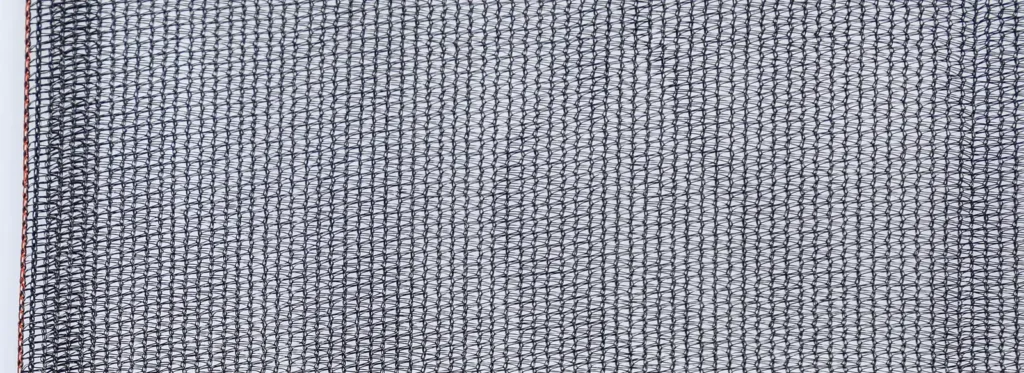
A Shade Net Making Machine (commonly a high-speed Raschel warp knitting machine) is engineered to interlock synthetic yarns—primarily HDPE (High-Density Polyethylene)—into a stable mesh structure. The machine’s primary function is to control shading percentage (ranging from 30% to 90%) while ensuring high tensile strength.
But the real engineering marvel lies in the feeding and knitting mechine that handles different yarn types.
Deep Dive: Flat Knitting Machine Technology
While many assume “flat knitting” refers only to sweaters, in the industrial sector, a Flat Knitting Machine for shade nets refers to a machine producing a uniform, non-curling fabric.
Why Flat Knitting matters for shade nets:
- Uniform Tension: Ensures every mesh hole is geometrically perfect.
- Lay-Flat Edges: Prevents rolling during installation on greenhouses.
- High-Speed Output: Modern flat knitting machines for shade nets operate at 1200 RPM, producing 200+ kg of net per shift.
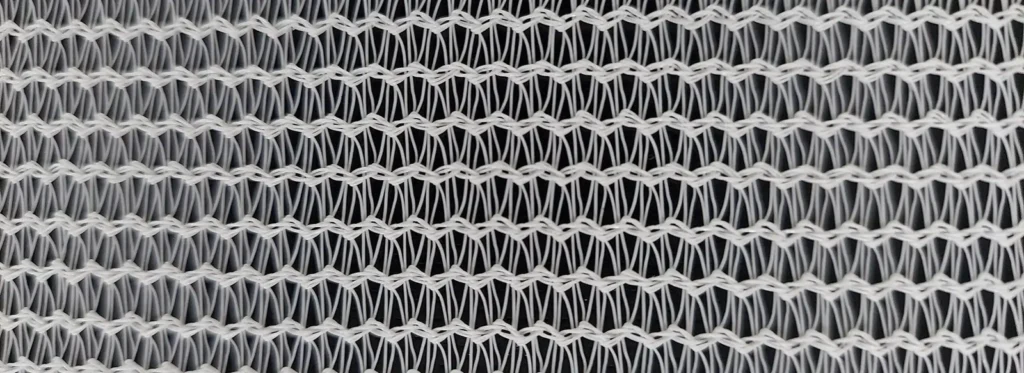
Keyword integration: If you need consistent UV stabilization, a high-gauge Flat Knitting Machine is non-negotiable.
The Trio of Yarn Configurations: Mono vs. Tape
The “personality” of your shade net is defined by how the machine combines Monofilament (Mono) and Tape Yarn (Flat tape) . Here is the technical breakdown of the three dominant market standards.
1. Mono + Momo (Monofilament + Monofilament)
The “Rigid Structure”
In this configuration, the Shade Net Making Machine uses round, single-strand monofilament yarns in both the warp (lengthwise) and weft (crosswise) directions.
- Machine Setup: Requires specialized guides and needles to handle the round profile of Mono yarns without slippage.
- Resulting Net: Very stiff, high rebound, and excellent air permeability.
- Best For: Windbreaks, privacy screens, and anti-hail protection where structural rigidity is required.
- SEO Value: Search for “Mono + Momo shade net” if you need a net that does not sag under heavy rain.
2. Tape + Tape (Flat Tape + Flat Tape)
The “Economic Shield”
Here, the machine processes flat, slit-film tape yarns (usually 2mm to 4mm wide). Both warp and weft are flat.
- Machine Challenge: The Flat Knitting Machine must have a sophisticated spreading roller to prevent the tape from twisting.
- Resulting Net: Soft drape, heavier GSM (grams per square meter), and higher opacity.
- Best For: Livestock sheds, construction site barriers, and low-cost agricultural shading.
- Note: While cheaper to produce, Tape + Tape nets have lower tear strength than Mono alternatives.
3. Mono + Tape (The Hybrid King)
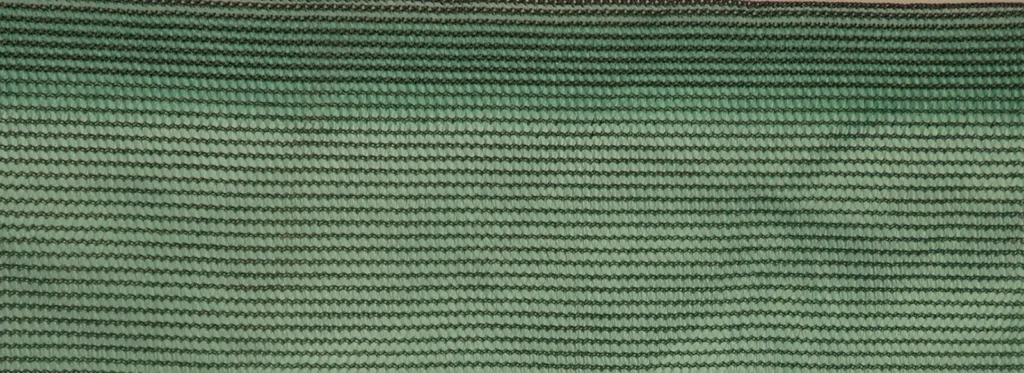
The “Goldilocks Solution”
This is the most sought-after configuration for premium shade nets. The machine knits Monofilament in one direction (usually the warp for strength) and Tape yarn in the other (for coverage).
- Mechanics: The Shade Net Making Machine requires a hybrid feeder system. Mono yarns need tension control (to avoid snapping), while Tape yarns need width control (to avoid curling).
- Resulting Net: High tensile strength (from Mono) + High shading percentage (from Tape). It resists stretching better than Tape+Tape but is cheaper than Mono+Momo.
- Best For: Commercial floriculture, tea plantation shading, and high-end polyhouses.
Technical Comparison Table (For Buyers)
| Configuration | Machine Complexity | Net Strength | Shade Uniformity | Best Application |
|---|---|---|---|---|
| Mono + Momo | High | Very High | Moderate | Windbreaks / Hail |
| Tape + Tape | Low | Low | Excellent (Solid) | Budget Construction |
| Mono + Tape | Medium | High | Very High | Agricultural Export Farms |
How to Choose the Right Machine for Your Production Line
To rank on Google’s 1st page for “Shade net making machine,” you must solve a problem. Here is the buyer’s checklist:
- For Export Quality (High Strength): Buy a Mono + Mono capable machine. Ensure it has a yarn tensioner specifically for round monofilament.
- For Domestic Agriculture (Cost vs. Performance): Invest in a Mono + Tape knitting machine. Look for a model with a quick-change guide bar to switch between tape and mono easily.
- For Maximum Production Volume: A Tape + Tape machine runs fastest because flat tape has less friction on the needles than mono.
The Future: Smart Shade Net Machines
Modern machines now come with IoT-enabled tension sensors. When running Mono + Tape, digital sensors detect if the tape twists or the mono breaks, stopping the machine instantly to reduce waste. If your supplier does not offer servo-driven motors for precise stitch length, you are buying outdated tech.
Conclusion
Whether you are producing nets via Mono + Momo for strength, Tape + Tape for budget, or the hybrid Mono + Tape for value, the core remains the same: a robust Knitting Machine is your factory’s backbone. When evaluating a Shade Net Making Machine, do not just look at the speed—analyze the yarn path and the guide bar setup.
Optimize your production, control the sun, and grow smarter.
Frequently Asked Questions (FAQ Schema)
Q: Can one Shade Net Making machine produce all three combinations?
A: Yes, if it is a modern Raschel machine with interchangeable guide bars. However, you will need to change the yarn feeding system and tension settings. Mono + Tape is usually the default standard.
Q: Which lasts longer: Mono or Tape?
A: Monofilament (Mono) lasts significantly longer (8-10 years) because it has a round surface that sheds dust and UV degradation evenly. Tape yarns are flat and thin, prone to splitting after 3-4 years.
Q: What is the price range for these machines?
A: A basic Tape+Tape machine starts around $15,000 USD, while a high-speed Mono+Momo industrial knitting machine can exceed $80,000 USD depending on width (4m to 8m working widths).
Mono + Mono
- Shade net making machine
- Knitting machine
- Mono + Momo
- Tape + tape
- Mono + Tape
- Raschel knitting machine
- HDPE shade net production